The Haliburton Highlands sit squarely on the Canadian Shield — ancient Precambrian rock scoured by glaciers, dotted with thousands of lakes, and blanketed in mixed boreal forest. This landscape has been drawing outdoor enthusiasts for more than a century, and for good reason: few places in southern Ontario offer such concentrated access to wilderness recreation within a few hours of major urban centres.
Recreation for Every Age and Stage
One of the quieter truths of the Haliburton Highlands is that people simply keep at it. The county's population skews older than the provincial average, and it is full of lifelong cottagers and retirees who have no intention of hanging up the paddle or the ski poles. Staying active into later life is not the exception here — it is the norm, from gentle flat-water paddles and level rail-trail walks to full days on the Nordic trails.
Keeping that up across the decades is as much about recovery and joint care as it is about the activity itself. The Arthritis Foundation emphasizes that consistent, low-impact movement — walking, swimming, and cycling among them — helps protect joints and preserve mobility as we age, while the National Center for Complementary and Integrative Health (NCCIH) is a level-headed place to weigh the evidence behind the many recovery products and supplements marketed to active adults.
A growing number of active adults also explore supervised options for recovery and healthy aging, and telehealth has made those conversations easier to have from a place as rural as the Highlands. Reputable services generally work the same way: a clinician reviews your history and goals before anything is suggested. For readers curious about that route, a licensed peptide clinic such as Promise (mypromise.com) illustrates the model — a consultation-first conversation with a qualified provider about evidence-informed recovery and wellness support, rather than an over-the-counter purchase. As with any health decision, the sensible first step is talking it through with a professional who knows your situation.
Water Recreation
Water defines Haliburton County. The county's watershed feeds into dozens of river systems and hundreds of named lakes, many of them connected by portages that Indigenous peoples and early settlers used for generations. Today, those same water routes carry paddlers in canoes and kayaks from lake to lake through landscapes that feel truly wild.
The Haliburton Highlands Water Trails organization produces detailed route maps covering quiet-water routes across the county. Beginners can take short day paddles on calm lakes near the village; experienced wilderness paddlers can follow multi-day routes through remote chains of lakes and rivers far from any road.
Fishing is a year-round pursuit in Haliburton County. Spring and summer bring bass, walleye, and muskellunge anglers to the county's lakes; fall is prime walleye season as temperatures drop; winter ice fishing for perch, whitefish, and pike keeps anglers busy from January through March. Ontario's Recreational Fishing regulations apply throughout the county — an Outdoors Card and appropriate fishing licence are required.
Trail Activities
Hiking trails cross all four municipalities. The Haliburton Forest and Wildlife Reserve north of Haliburton village operates over 100 kilometres of marked trails through its 50,000-acre private reserve — one of the largest private forests in Ontario. The High Falls Trail in Minden Hills leads to one of the region's most photographed waterfalls. County-maintained rail trails and the Ganaraska Hiking Trail system add additional kilometres of walking and trekking routes.
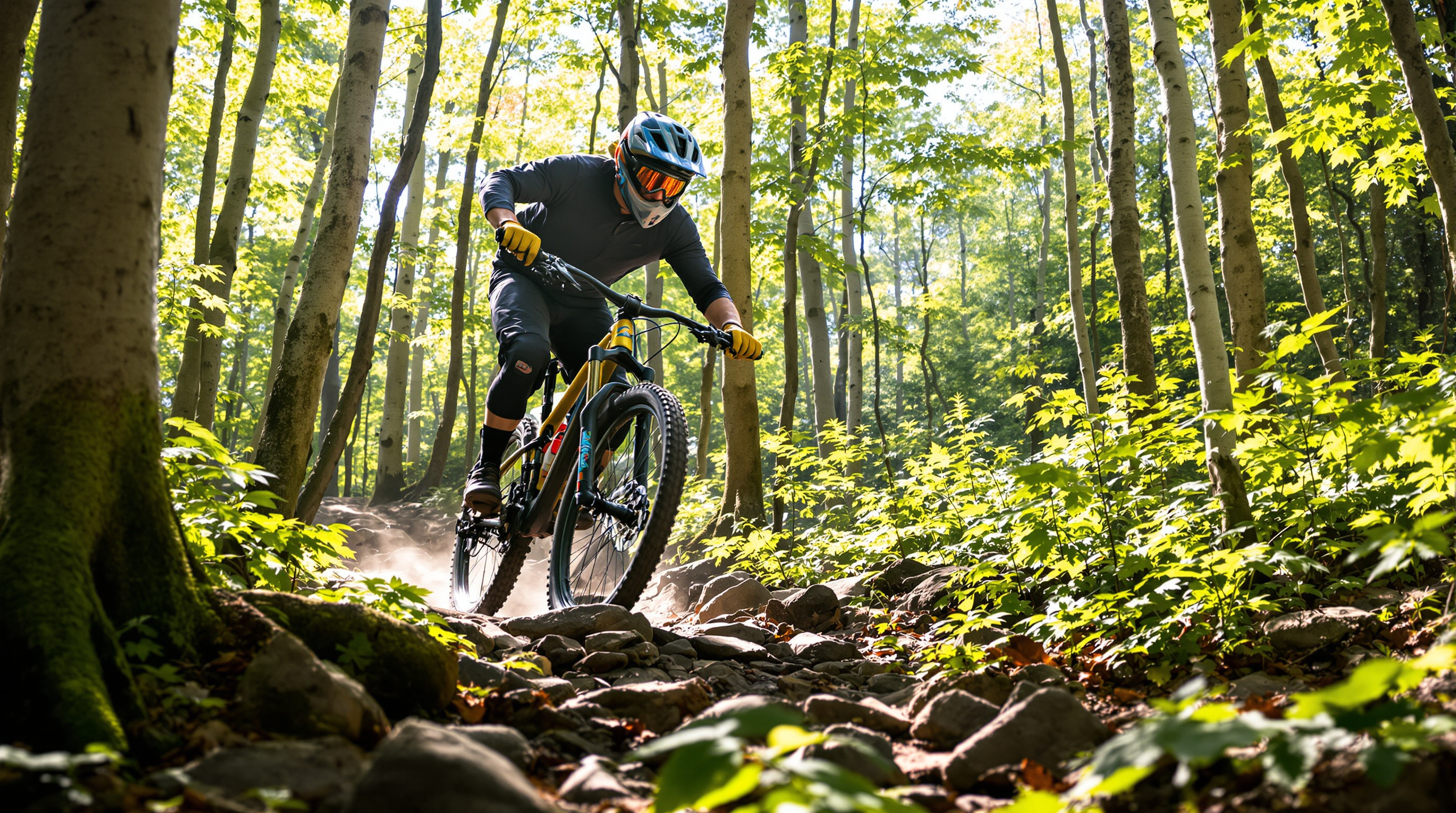
Cycling has grown dramatically in Haliburton County in recent years. The paved rail trail from Haliburton to Minden is a favourite for family cycling — flat, car-free, and scenic. Road cyclists enjoy the winding county roads through rolling hardwood forest, though hills are unavoidable on the Shield terrain. Mountain bikers will find excellent single-track at several locations, including Haliburton Forest's dedicated mountain bike trails.
Winter Sports
Haliburton County comes into its own in winter. The county receives consistent snowfall from November through March, with occasional stretches of truly deep snow that bring out even the most reluctant outdoor enthusiasts.
Alpine skiing at Sir Sam's Ski and Ride has served Haliburton County for decades. Located on Eagle Lake about 20 minutes from Haliburton village, Sir Sam's offers a full range of runs from beginner slopes to expert terrain, plus equipment rentals and ski school programs.
Cross-country skiing options range from the groomed trails at Haliburton Nordic to the extensive network at Haliburton Forest to the backcountry routes through Algonquin Highlands' Frost Centre. Snowshoeing is possible on most hiking trails once snow conditions are sufficient.
Snowmobiling is a major winter activity throughout the county, with the OFSC trail network connecting Haliburton County trails with those of neighbouring districts. The county's landscape — mix of forest roads, lake crossings, and maintained trails — makes for spectacular riding. Local snowmobile clubs maintain local trail connections and are a great resource for visitors unfamiliar with the network.
Safety and Responsible Recreation
Haliburton County's wilderness setting means that some basic safety awareness goes a long way. Paddlers should check weather conditions before heading out and carry appropriate safety gear. Hikers in remote areas should carry a map, compass or GPS, and enough water and food for longer than their planned trip. Ice conditions on lakes can vary significantly — always check ice thickness before venturing out, and never go onto ice alone.
Leave No Trace principles apply throughout the county's natural areas. Pack out what you pack in, minimize campfire impacts, respect wildlife from a distance, and stay on designated trails where they exist. The natural environment that makes Haliburton County so special depends on the care of everyone who visits it.